
Protecting Your Construction Site and Assets Is Critical
Security Solutions · Construction Site Security · · Updated · 5 min read · Lawrence De Alva Sr.
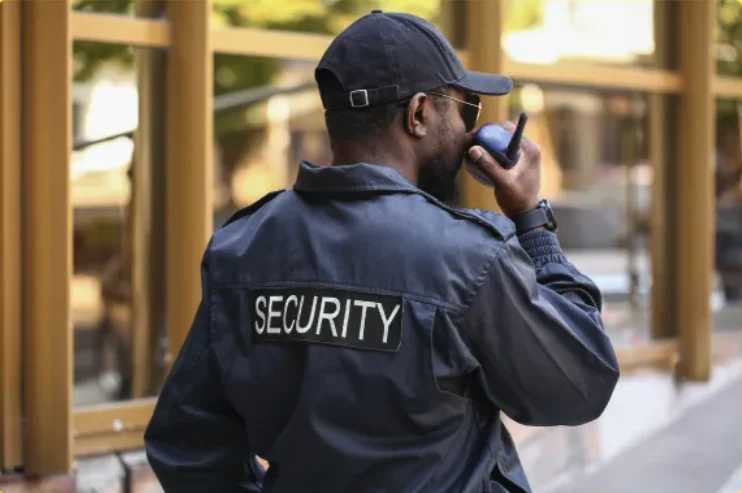
Construction sites frequently contain valuable equipment, tools, building materials, vehicles, fuel, and other assets. Because site conditions and access points can change throughout a project, protecting these assets requires a security plan that can adapt as work progresses.
An effective construction site security plan may combine physical barriers, access procedures, lighting, cameras, alarms, inventory controls, employee awareness, and professional security personnel.
Here are 10 practical strategies contractors, developers, project managers, and property owners can consider when protecting construction sites in Phoenix and throughout Arizona.
1. Establish a Secure Perimeter
Fencing, gates, barriers, and other physical boundaries can help identify the controlled area and discourage unauthorized entry.
Inspect the perimeter regularly for:
- Damaged fencing
- Open or unsecured gates
- Gaps beneath barriers
- Areas concealed from public view
- Evidence of attempted entry
- Changes caused by construction activity
As the project develops, entrances, fencing, material-storage areas, and work zones may need to be repositioned. Property teams can explore construction site security when planning coverage around a changing site.
2. Control Access to the Site
Limit access to authorized employees, subcontractors, vendors, inspectors, and approved visitors.
Depending on the project, access procedures may include:
- Controlled entry points
- Visitor sign-in procedures
- Access cards or credentials
- Vehicle logs
- Delivery schedules
- Contractor identification
- Security personnel stationed at designated entrances
Access procedures should be clearly communicated and applied consistently. Unarmed security guards may support established entry procedures according to the assignment's post orders.
3. Use Strategically Positioned Cameras
Surveillance cameras can help property managers observe entrances, equipment-storage areas, material yards, parking areas, and other important locations.
Consider:
- Camera placement
- Nighttime visibility
- Lighting conditions
- Remote access
- Recording retention
- Weather protection
- Power and internet availability
- Regular testing and maintenance
Cameras should complement—not replace—physical security, access procedures, lighting, alarms, and active observation.
4. Improve Lighting and Visibility
Adequate lighting can reduce concealed areas and make unusual activity easier to observe.
Review lighting around:
- Entry and exit points
- Equipment-storage areas
- Material yards
- Temporary offices
- Fuel-storage locations
- Parking areas
- Fencing and property boundaries
Motion-activated lighting may be appropriate in certain areas, while continuous lighting may be more suitable for others. Lighting should be positioned carefully to avoid glare or creating new blind spots.
5. Secure Equipment, Tools, and Materials
Move high-value equipment, tools, and materials into secured areas when they are not in use.
Possible measures include:
- Locked storage containers
- Secured tool rooms
- Equipment immobilizers
- Key-control procedures
- GPS or asset-tracking devices
- Inventory records
- Marked or engraved equipment
- Controlled fuel access
- End-of-shift equipment checks
Maintain current photographs, serial numbers, purchase records, and identifying information for important assets. Learn how coverage can help protect equipment and business assets.
6. Consider Professional Security Guards
Professional security personnel can provide a visible presence during overnight hours, weekends, holidays, work stoppages, and other periods when a construction site may be less active.
Depending on the assignment, unarmed security guards may:
- Observe access points
- Conduct scheduled property patrols
- Monitor equipment and material areas
- Document activity
- Report damaged fencing or unsecured gates
- Contact designated representatives
- Notify emergency services when appropriate
Security coverage should be planned around the property, construction phase, requested schedule, post orders, access procedures, and current personnel availability. Some properties may also learn about mobile security patrols for scheduled checks.
Security guards cannot guarantee that theft, vandalism, or every other incident will be prevented.
7. Use Alarm and Notification Systems
Alarm systems can help notify designated contacts when unauthorized entry or unusual activity is detected.
Systems may include:
- Gate sensors
- Door alarms
- Motion detection
- Equipment alarms
- Temporary wireless systems
- Remote notifications
- Professionally monitored alarms
Test alarm systems regularly and keep contact lists current.
8. Conduct Regular Security Assessments
Construction sites change constantly. New equipment arrives, materials are relocated, access points move, and different subcontractors enter the property.
Review the site regularly to identify:
- New blind spots
- Inadequate lighting
- Unsecured equipment
- Damaged barriers
- Changes in traffic flow
- Uncontrolled access points
- Areas requiring additional observation
- Outdated contact information
Update the security plan as site conditions change.
9. Establish Emergency and Incident Procedures
Create clear procedures for security incidents, fire, severe weather, medical emergencies, damaged utilities, and other foreseeable situations.
The plan should identify:
- Who employees should contact
- When to call 911
- Site address and access instructions
- Emergency gathering areas
- Responsibilities of supervisors and security personnel
- Incident-reporting procedures
- Emergency contact information
- Procedures for preserving relevant records or video
Private security is not a replacement for police, fire departments, emergency medical services, or 911. Projects with a documented need for temporary observation can explore fire-watch services and read about professional fire-watch coverage.
10. Train Employees and Subcontractors
Everyone entering the site should understand the security procedures relevant to their work.
Training may cover:
- Access and identification requirements
- Gate and key procedures
- Equipment-storage expectations
- End-of-shift checks
- Visitor and delivery procedures
- Reporting suspicious activity
- Emergency contacts
- Incident documentation
Employees and subcontractors should know how and where to report a concern. The article on professional unarmed security guards explains how observation, communication, and reporting support a broader plan.
Create a Layered Construction Security Plan
No single security measure can eliminate every risk. A stronger construction site security plan uses multiple layers appropriate to the site.
These layers may include:
- Secure fencing and gates
- Controlled access
- Adequate lighting
- Cameras and alarms
- Equipment and inventory controls
- Employee awareness
- Written procedures
- Professional security patrols
The appropriate combination depends on the property, construction phase, equipment, materials, location, operating schedule, access points, and identified concerns.
Construction Site Security in Phoenix and Arizona
Unique Security Solutions provides professional unarmed construction site security for projects in Phoenix, Glendale, the Phoenix metropolitan area, and other Arizona communities based on assignment requirements and personnel availability.
Our team can discuss your construction phase, property layout, equipment and material areas, access points, requested schedule, and current security concerns. Request construction security coverage to start that conversation.
Protect Your Construction Site and Assets
Tell us about your project, location, construction schedule, access points, valuable equipment, materials, and requested coverage hours. Our team will review the assignment and discuss available security options.
Related articles
- Unarmed Security Guards Play a Crucial Role in Maintaining Safety and Security
Unarmed security guards provide a professional and visible presence while supporting property monitoring, access procedures, incident reporting, emergency communication, and customer service.
- A Fire Watch Can Be a Crucial Component in Protecting Your Property and Assets
Fire-watch personnel provide dedicated observation, hazard reporting, activity documentation, and emergency communication when a property requires additional fire-safety monitoring.
- Rapid-Response Security: Why You Should Have a Resource in Place
Unexpected staffing gaps and property concerns can leave businesses without the security coverage they planned. Learn why establishing a rapid-response security resource before a problem occurs is a smart business decision.